

Cheddar is the most widely made and eaten cheese in the English speaking world, a firm cow milk cheese that ranges from mild and creamy to sharp, crumbly and intensely tangy. Born in the village of Cheddar in Somerset, it has travelled the globe, but a traditional, well aged cheddar is a serious cheese with real depth. This guide covers its origins, the making process that gives it its name, how ageing shapes the flavour, and how to buy, keep and cook with it. In the shop it sits within the selection of cheddar and other firm cheeses.
| Origin | Somerset, England (origin) |
| Milk | Cow milk |
| Type | Firm, cheddared and pressed |
| Ageing | 3 months to several years |
| Taste | Creamy and mild to sharp and tangy |
Where cheddar comes from
Cheddar takes its name from the village of Cheddar in Somerset, in the south west of England, where the nearby gorge caves once provided the cool, steady conditions for ageing. It has been made since at least the twelfth century and became the model for firm cows milk cheeses worldwide. Because the name was never protected internationally, cheddar today is made everywhere, from creamery blocks to traditional cloth bound farmhouse wheels, which is why quality varies so widely.
How it is made, and what cheddaring means
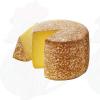
Cheddar owes its name to a step in the making called cheddaring. After the curd is cut and the whey drained, the slabs of curd are stacked and repeatedly turned and piled on top of each other. This presses out more whey and knits the curd into a firm, layered texture. The curd is then milled, salted and pressed into blocks or cloth bound wheels. A traditional farmhouse cheddar is wrapped in cloth and larded, which lets it breathe and develop a deeper, earthier flavour than a block matured in plastic.
Taste, and how ageing changes it
Labels usually describe cheddar by strength, which reflects how long it has aged.
- Mild, around three months, is smooth, creamy and gentle.
- Mature, nine to twelve months, is firmer with a clear savoury tang.
- Extra mature and vintage, over eighteen months, are crumbly and powerful, with a sharp bite and often small crunchy crystals.
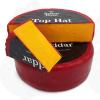
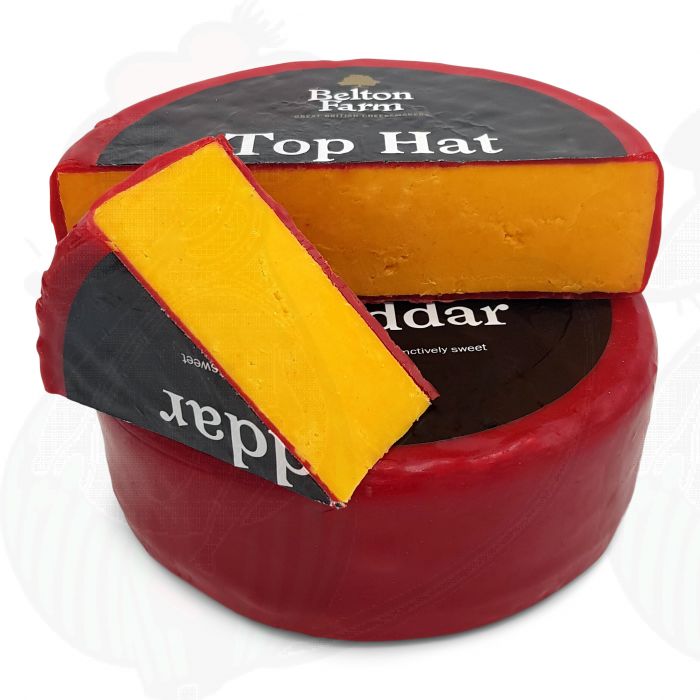
The colour ranges from pale cream to deep orange. The orange comes from annatto, a natural plant colouring, and does not change the taste.
How to recognise good cheddar
A good aged cheddar has a firm, close paste that is smooth but breaks cleanly, sometimes with tiny crystals in older pieces. A cloth bound farmhouse cheddar will show a natural rind and a more complex, nutty aroma than a plastic wrapped block. Avoid anything rubbery or bland. As with most cheese, a piece cut fresh keeps far more character than pre sliced or pre grated packs.
Storing it
Keep cheddar in the fridge wrapped in paper or waxed paper so it can breathe, rather than sealed tight in plastic where it can turn sweaty. A little surface drying can simply be trimmed. Bring it to room temperature before eating so the flavour opens up. A firm piece keeps for two to three weeks, and hard aged cheddar longer.
Cooking and pairing
Cheddar is one of the great cooking cheeses. It melts into a proper macaroni cheese, tops a gratin, fills a toastie and crowns a burger, and its tang holds up even mixed with other ingredients. Grated mature cheddar is ideal for cooking, while a fine aged piece deserves a place on a cheese platter with chutney, apple and crusty bread. It pairs classically with a pint of ale, a full bodied red or a dry cider, and mild versions suit children well.
Order this cheese online
Cut fresh from the wheel, carefully vacuum packed and delivered chilled, fast and fresh across Europe.
Shop the cheese