




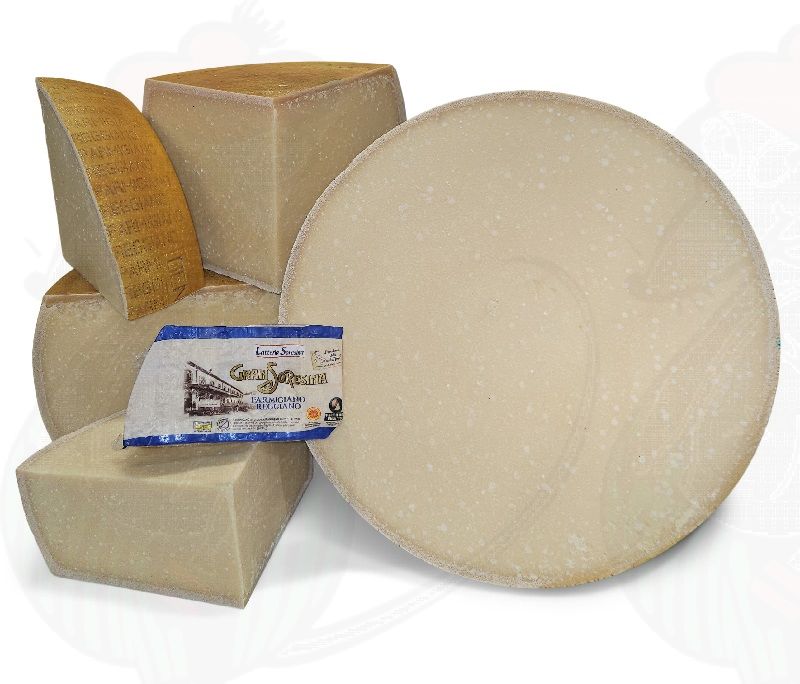
Hard cheeses are the workhorses of the cheese world, the dense, long aged wheels that grate over pasta, anchor a board and keep for weeks. From Italian grating cheeses to Alpine giants, they reward a little understanding. This guide explains what makes a cheese hard, the main types and how to buy, use and store them. Many sit within the European cheese selection in the shop.
What makes a cheese hard
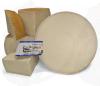
Hard cheeses are made by cooking and pressing the curd to drive out moisture, then ageing the wheels for months or years. The longer they age, the more water they lose and the more concentrated the flavour becomes, which is why a well aged hard cheese is so savoury and often carries crunchy crystals.
The Italian grating cheeses
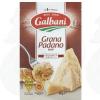
Italy is the home of the great grating cheeses. Parmigiano Reggiano and Grana Padano are the grainy, savoury classics for pasta and risotto, while a hard Pecorino brings a sheep milk sharpness to Roman dishes.
The Alpine hard cheeses
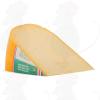
The Alps give us firm wheels built for both the table and the pot. Gruyere, Comte and Emmental are nutty and excellent for melting, while a mature cheddar is the great firm cheese of the English tradition.
Using hard cheeses
Hard cheeses are endlessly useful. Grate them over pasta, soups and gratins, shave them onto salads, or serve them in nuggets and wedges on a board. Their rinds are not wasted either, since a hard cheese rind adds body to a simmering soup or stock.
Storing hard cheeses
Because they are low in moisture, hard cheeses keep well. Wrap them in paper or a loose cloth in the fridge, and a firm piece will last for many weeks. Grate only what is needed at the moment, since freshly grated cheese has far more aroma than cheese grated in advance.
Order this cheese online
Cut fresh from the wheel, carefully vacuum packed and delivered chilled, fast and fresh across Europe.
Shop hard cheeses