

What Appenzeller is
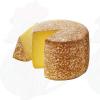
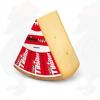
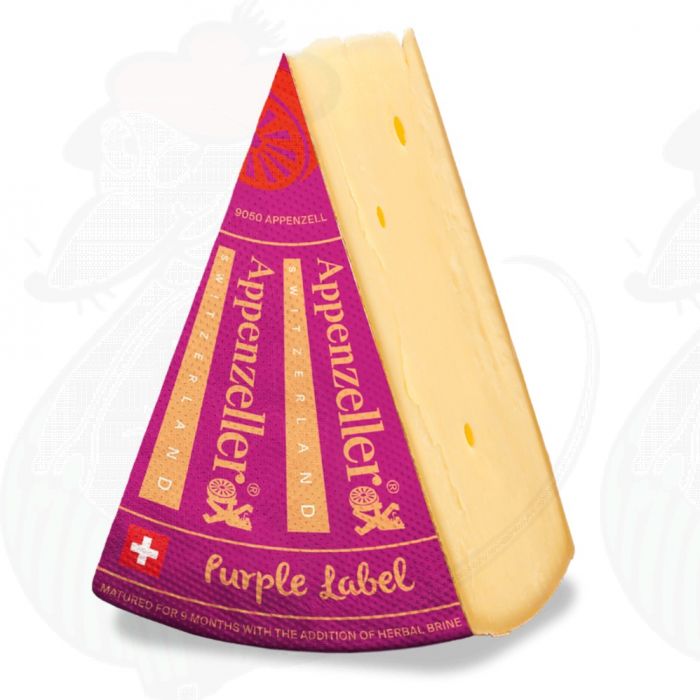
Appenzeller is a traditional Swiss cheese made from cow’s milk, originating from the Appenzell region. Recognizable by its firm texture and distinctive herbal rind, it is aged from three months to over a year. The aging process and regular washing with a special brine infused with wine, cider, or herbal mixtures give Appenzeller its unique aroma and complex flavor.
Flavor profile and similarities
Appenzeller is known for its rich, nutty taste with hints of fruit, herbs, and spices. Young varieties are milder and creamy, while aged types develop a stronger, more piquant flavor with a slightly crumbly texture. Appenzeller shares similarities with Gruyère, Emmental, and Comté, though its spiced rind and aromatic profile set it apart from other Swiss-style cheeses.
Production process
The production of Appenzeller involves warming cow’s milk and adding starter cultures and rennet to form curds. After cutting and pressing, the cheese is salted and regularly washed with a secret herbal brine during the aging process. This washing enhances flavor, develops a natural rind, and contributes to the firm yet supple texture typical of Appenzeller.
Culinary uses
Appenzeller is versatile in the kitchen. It can be sliced for sandwiches, grated over pasta or salads, or melted in fondues, gratins, and baked dishes. Its nutty and slightly spicy flavor pairs well with fruits, nuts, and cured meats. Both young and aged varieties are suitable for snacking or incorporating into cooked dishes.
Cutting and melting
Cheese wedges or blocks should be cut following the natural wheel shape using a sharp knife for clean slices. Appenzeller melts well, making it ideal for fondues and baked recipes, although aged varieties may retain some firmness when heated. Its texture allows for even melting without becoming overly runny.
Storage and shelf life
Appenzeller should be stored in the refrigerator, ideally wrapped in wax paper or vacuum-packed to maintain moisture while allowing slight airflow. Opened cheese lasts about three to four weeks, while vacuum-packed blocks can stay fresh for several months. Proper storage preserves its distinctive flavor and texture.
Nutritional profile and dietary considerations
Appenzeller is rich in protein, calcium, and healthy fats. It contains a small amount of lactose, which decreases with aging, making aged varieties easier to digest. Both pasteurized and raw milk versions exist, and pasteurized Appenzeller is generally considered safe for consumption during pregnancy. Like most cheeses, moderation is recommended due to fat and sodium content.
Appenzeller for pets
Appenzeller is not recommended for dogs or cats because of its high fat and salt content. Occasional small amounts are unlikely to cause harm, but regular consumption could lead to digestive issues or other health concerns.
Possible substitutes
Cheeses like Gruyère, Comté, Emmental, or Jarlsberg can substitute for Appenzeller in cooking and snacking. For milder options, Swiss cheese or young Gouda provides a similar creamy texture with less pungency.
Enjoying Appenzeller cheese
Appenzeller combines a unique herbal aroma with a rich, nutty flavor, making it a versatile choice for both cooking and snacking. Authentic Appenzeller cheese can be purchased at Goudacheeseshop.com, offering vacuum-packed cheese for long shelf life, fast refrigerated delivery, and exceptional freshness.