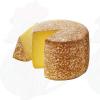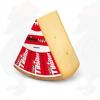


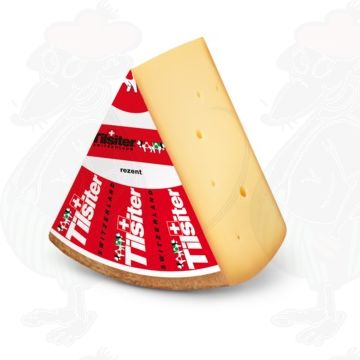
Tilsiter is a semi firm washed rind cheese with a supple paste, small irregular holes and a flavour that runs from mild and buttery to tangy and lightly spicy. Popular across Germany, Switzerland and northern Europe, it is a superb everyday slicing cheese that also brings character to a board. This guide covers its origins, how it is made, how it tastes and how to serve and keep it. In the shop it sits within the selection of tilsiter and other European cheeses.
| Origin | Originally Tilsit, now made in Germany and Switzerland |
| Milk | Cow milk |
| Type | Semi hard, washed rind |
| Ageing | 2 to 6 months |
| Taste | Mild and buttery to tangy and spicy |
Where Tilsiter comes from
Tilsiter was first made in the town of Tilsit in former East Prussia by Dutch settlers, who adapted their Gouda style methods to local conditions and ended up with a washed rind cheese all of its own. Today it is made mainly in Germany and Switzerland, where Swiss Tilsiter is a well known regional cheese, sold in green label mild and red label stronger versions.
How it is made
Tilsiter is a semi hard cow milk cheese. What defines it is the washed rind. During ageing the young cheese is regularly wiped with a brine, which encourages the bacteria that give washed rind cheeses their savoury, slightly pungent character and their supple, melting paste. The paste is dotted with small, irregular holes.
Taste and styles
The flavour depends a lot on age and on whether extras are added.
- Young Tilsiter is mild, creamy and buttery with a gentle tang.
- Aged Tilsiter grows firmer, tangier and more aromatic.
- Some versions are made with caraway or pepper, a traditional touch that suits its savoury style.
Storing it
Keep Tilsiter in the fridge wrapped in paper. As a washed rind cheese it is best eaten within a week or so of cutting, and it can develop a stronger aroma over time. Bring it to room temperature before serving so its buttery character comes through.
Serving and pairing
Tilsiter is a natural slicing cheese for bread, rolls and sandwiches, and it melts well into warm dishes. On a cheese platter it offers a savoury, tangy note beside milder cheeses. It pairs well with rustic bread, pickles and a glass of beer, or a dry white or light red wine.
Order this cheese online
Cut fresh from the wheel, carefully vacuum packed and delivered chilled, fast and fresh across Europe.
Shop the cheese