


What Stilton is
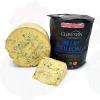
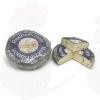
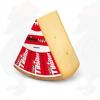
Stilton is a distinguished English blue cheese made from cow’s milk. It has a crumbly yet creamy texture and a distinct blue veining created by Penicillium roqueforti mold. This cheese holds a protected designation of origin (PDO) status, meaning authentic Stilton can only be produced in specific counties of England, including Derbyshire, Leicestershire, and Nottinghamshire.
Flavor profile and similarities
Stilton is renowned for its rich, tangy flavor with a creamy undertone and subtle nuttiness. Its intensity increases with age, resulting in a slightly sharp and complex taste. Stilton is similar to other blue cheeses such as Gorgonzola and Roquefort, though it tends to be less salty and more crumbly than Roquefort, with a milder aroma compared to Gorgonzola.
Production process
Stilton is made from pasteurized cow’s milk that is carefully cultured and coagulated with rennet. After curd formation, the curds are drained, lightly milled, and placed into cylindrical molds. During aging, the cheese is pierced with stainless steel rods to introduce air, encouraging the growth of the blue mold. Aging typically lasts between 9 and 12 weeks, with older Stilton developing a stronger flavor and firmer texture.
Culinary uses
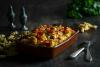
Stilton is versatile in the kitchen. It can be crumbled over salads, incorporated into dressings, paired with fruits such as pears and figs, or used in sauces for meats and vegetables. It is also served as part of a cheese board alongside crackers, nuts, and port wine. Its creamy consistency allows it to melt partially, making it suitable for stuffing or finishing hot dishes.
Cutting and melting
Stilton should be cut using a knife that minimizes crumbling. For crumbles, a thin-bladed knife or a cheese wire works best. The cheese does not melt smoothly like cheddar but softens when heated, creating a creamy texture ideal for sauces or baked dishes.
Storage and shelf life
Stilton should be stored in the refrigerator, preferably wrapped in parchment or wax paper and then placed in an airtight container. This prevents it from absorbing other odors while maintaining moisture. A fresh wedge lasts about 2 to 3 weeks, whereas vacuum-packed Stilton can last longer under proper refrigeration.
Nutritional profile and dietary considerations
Stilton is rich in protein, calcium, and essential vitamins. While it contains lactose, the level is lower than in soft cheeses due to the aging process. Pasteurized Stilton is safe to consume during pregnancy in moderation. It is a flavorful addition to meals but should be consumed in controlled portions due to its high fat and salt content.
Stilton for pets
Stilton is not suitable for dogs or cats because of its high fat and salt content, which can cause digestive upset or health issues. Cheese specially formulated for pets is recommended instead.
Possible substitutes
Cheeses such as Gorgonzola, Roquefort, or Danish Blue can serve as substitutes for Stilton. For a milder blue cheese, Maytag Blue offers a creamy texture and comparable flavor profile.
final notes on enjoying Stilton
Stilton’s crumbly texture, distinctive blue veining, and rich flavor make it a classic addition to both simple and sophisticated dishes. Authentic Stilton can be purchased at Goudacheeseshop.com, where vacuum-packed products provide long shelf life, fast refrigerated delivery, and exceptionally fresh cheese.