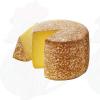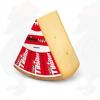



What cantal is
Cantal is a traditional French cheese originating from the Auvergne region. It is made from cow’s milk and shaped into large cylindrical wheels. Aged for varying periods, Cantal develops distinct textures and flavors ranging from mild and creamy to strong and crumbly. Its firm texture and natural rind make it a classic example of Alpine-style French cheeses.
Flavor profile and similarities
Cantal has a rich, nutty flavor with earthy undertones. Young Cantal, known as Cantal jeune, is mild and supple, while Cantal vieux, aged for over six months, becomes sharper and more crumbly. Its taste is often compared to Cheddar and Gruyère, sharing a firm texture and versatile culinary applications.
Production process
Cantal is produced using pasteurized or raw cow’s milk. Starter cultures and rennet are added to coagulate the milk, forming curds. These curds are pressed into molds and salted, then aged on wooden boards. The aging process can last from one to twelve months, depending on the desired flavor intensity. During maturation, the wheels are regularly turned to develop their natural rind and texture.
Culinary uses
Cantal is versatile in both hot and cold dishes. It can be sliced for cheese boards, melted in gratins, sandwiches, or baked recipes. Younger Cantal melts smoothly, making it ideal for sauces and fondues, while older Cantal is better suited for grating over salads or pasta. Its nutty and slightly tangy flavor enhances both savory and hearty dishes.
Cutting and melting
Cantal should be cut using a firm knife, slicing through its dense wheel to maintain shape. Younger Cantal melts evenly, producing a creamy texture without separating, whereas older varieties are more crumbly and suited for grating rather than melting.
Storage and shelf life
Cantal should be stored in the refrigerator, wrapped in parchment or wax paper, and kept in an airtight container. When properly stored, it can last for two to three weeks. Vacuum-packed Cantal extends shelf life and preserves optimal freshness and flavor.
Nutritional profile and dietary considerations
Cantal is a good source of protein, calcium, and vitamins. It contains lactose, though the levels decrease with aging. Both pasteurized and raw milk versions exist, and pasteurized Cantal is considered safe for consumption during pregnancy. Moderation is recommended due to its fat and salt content.
Cantal for pets
Cantal is not recommended for dogs or cats because of its high fat and salt content, which can cause digestive issues or more severe health problems. Small occasional bites may not be harmful, but regular feeding should be avoided.
Possible substitutes
Cheeses such as Cheddar, Gouda, or Comté can serve as substitutes for Cantal in recipes. For a softer option, Emmental provides similar melting qualities and a mild, nutty flavor.
Enjoying cantal cheese
Cantal stands out for its nutty, earthy taste and versatility in cooking and serving. Authentic Cantal cheese can be purchased at Goudacheeseshop.com, which provides vacuum-packed cheese with a long shelf life, fast refrigerated delivery, and exceptional freshness.