



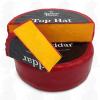
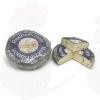
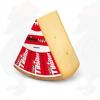

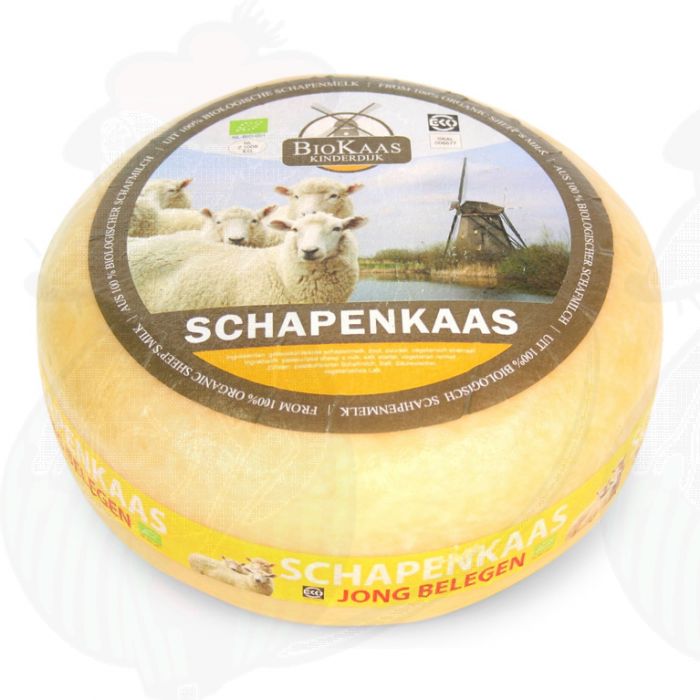
Manchego is one of the best known Spanish cheeses in Europe. It comes from the La Mancha region and is made from the milk of manchega sheep, which gives it a clear character. In the shop it sits within the selection of manchego and other sheep cheeses.
Origin and making
Manchego is protected by a designation that sets out its area and method. The sheep milk, rich and fragrant, is curdled and then pressed in moulds that leave the typical woven pattern on the rind. Ageing runs from a few months to more than a year, which explains the difference in taste between the young and the more mature versions.
Taste and texture
- Young it stays supple with a milky note and a hint of nut.
- Aged it turns firm and develops more intense aromas, at times slightly sharp.
- The paste keeps a fine roundness in the mouth thanks to the sheep milk.
How to serve it
Manchego is cut into thin slices or small triangles. It pairs with dried fruit, quince paste and a glass of Spanish red. It also holds a place on a cheese platter beside milder varieties.
Storage
Kept in the fridge and wrapped in suitable paper, manchego holds its texture for several days. Taken out half an hour before serving, it releases its aromas better and is more pleasant to eat.
Order online
This cheese can be bought online and arrives vacuum packed, which gives it a long shelf life. Delivery is made by refrigerated van so the freshness is kept, with the cheese cut and shipped the same day. It reaches the customer fresh and ready to enjoy.
How is this cheese best stored?
The cheese keeps in the fridge, wrapped in suitable paper rather than tight plastic film. Taken out half an hour before the meal, it releases more of its aroma.
Which drink pairs with this cheese?
A dry white wine, a light red or an amber beer all make good matches. Grape juice or cider work well for a table without alcohol.
Can this cheese be frozen?
Freezing is possible but changes the texture, which turns more crumbly. For serving in pieces it is better to buy suitable amounts and keep them chilled.
How much cheese should be planned per person?
For a cheese board, count roughly 70 to 100 grams per guest after a meal, a little more if the cheese is the main course.
Does this cheese pair with fruit?
Yes, fresh fruit such as grapes, pear and apple brings a sweet note that balances the richness of the cheese. Dried fruit and nuts work just as well on a board.
Should the rind be eaten?
The rind forms during ageing and protects the paste. Depending on the cheese it can be eaten or trimmed off, which comes down to taste and the type of rind.
Does this cheese work on an antipasto board?
Many European cheeses are excellent on a starter board, cut into cubes or shavings alongside cured meats, olives and bread. A small amount is enough to add flavour and variety.
What is the best way to cut this cheese?
Hard cheeses are best shaved with a suitable knife, while softer types are sliced. Cutting just before serving helps to keep the aroma and freshness intact.